
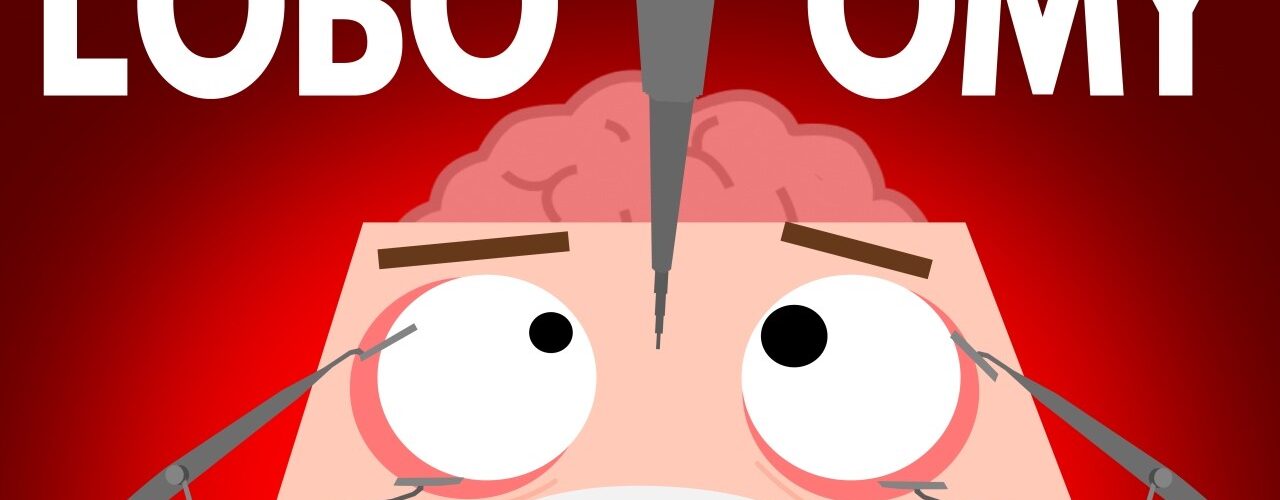
The Shocking Origins of Lobotomy in Mental Health Treatment
Imagine suffering from OCD or severe depression, confiding in your doctor about it, and then they just bust out a drill aimed directly at your noggin. Sounds like a horror movie, right? Well, if you suffered from a mental illness in the early 1900s, doctors might have treated you with something called a lobotomy. Why on Earth did they do this, you ask? Great question!
What Is a Lobotomy? The Science Behind the Procedure
Lobotomies sound kind of scary—and they honestly were. In this archaic procedure, physicians broke the connections between the frontal lobe and the thalamus. The frontal lobe is responsible for functions like language, voluntary motion, and cognition, while the thalamus relays information to your cerebral cortex, where functions are carried out. Scientists believed that severing the neural fibers between them would stop abnormal behavior.
Originally, this procedure was done through open brain surgery, but in the 1930s, a less invasive method called a leucotomy was developed. This involved drilling through the skull, and some doctors even modified it by inserting an ice pick through the eye socket or injecting a chemical that would harden the neural fibers. Doesn’t this sound like something from a Saw movie?
The Dangerous Side Effects of Lobotomies
Of course, having your brain messed with comes with loads of bad side effects. These included bleeding, infection, dementia, intellectual impairment, apathy, epilepsy, incontinence, and even death. And yet, despite the gruesome methods and terrible outcomes, lobotomies were incredibly popular in the 1930s and ’40s, performed on tens of thousands of people around the world. Shockingly, the man who invented the lobotomy was awarded the Nobel Prize in 1949.
Why Were Lobotomies So Common in the 20th Century?
You’re probably wondering, why on Earth would anyone do that to someone? The answer lies in desperation. Back then, there were no drugs for mental health disorders, and psychology was just getting started. Mental hospitals and asylums were overcrowded with people suffering from severe symptoms, including OCD, severe depression, psychosis, psychopathy, and schizophrenia. The procedure aimed to calm these patients and reduce their aggression so they could live at home.
Gender and Lobotomy: Why Women Were Most Often Subjected to the Procedure
Interestingly, the term “mental illness” at the time encompassed a wide range of behaviors, including intellectual disability, homosexuality, and even criminal activity. However, the group most often subjected to lobotomies was women—even though mental hospitals had more male patients. At one U.S. hospital, 85% of lobotomies were performed on women. In another analysis of two main proponents of the procedure, women made up 75% of lobotomy patients, often for symptoms as mild as apprehension or insomnia.
The Decline of Lobotomy and the Rise of Antipsychotic Medications
Due to the severe side effects and overuse, critics argue that this treatment was more for the public’s convenience than for the patient’s well-being. Thankfully, once antipsychotic medications were developed in the 1950s, the procedure was largely abandoned in the U.S. Today, lobotomy is still technically legal, though many states have heavy restrictions on it. The last known lobotomy took place in 1967 and resulted in the patient’s death.
Vote for December’s Viewers’ Choice Video Series
Now, let’s shift to something less depressing and more exciting! In December, we’re launching a Viewers’ Choice video series. Leave a comment with a video topic you want us to cover, and we’ll pick a few to make episodes on. Comment or leave a like on the ideas you think would be most interesting!
Click here to watch our video on how your brain might be “broken”—it’s pretty fascinating. Or click here to check out another one of our videos. As always, my name is Blocko, this has been Life Noggin, and don’t forget to keep on thinking!
Sources for this video:
https://www.webmd.com/brain/what-is-l…
https://www.medicalnewstoday.com/arti…
https://my.clevelandclinic.org/health…
https://www.webmd.com/brain/cerebral-…
https://www.medicalnewstoday.com/arti…
https://thejns.org/configurable/conte…
https://www.healthline.com/health/wha…